Q&A
Strengthening the Therapeutic Alliance
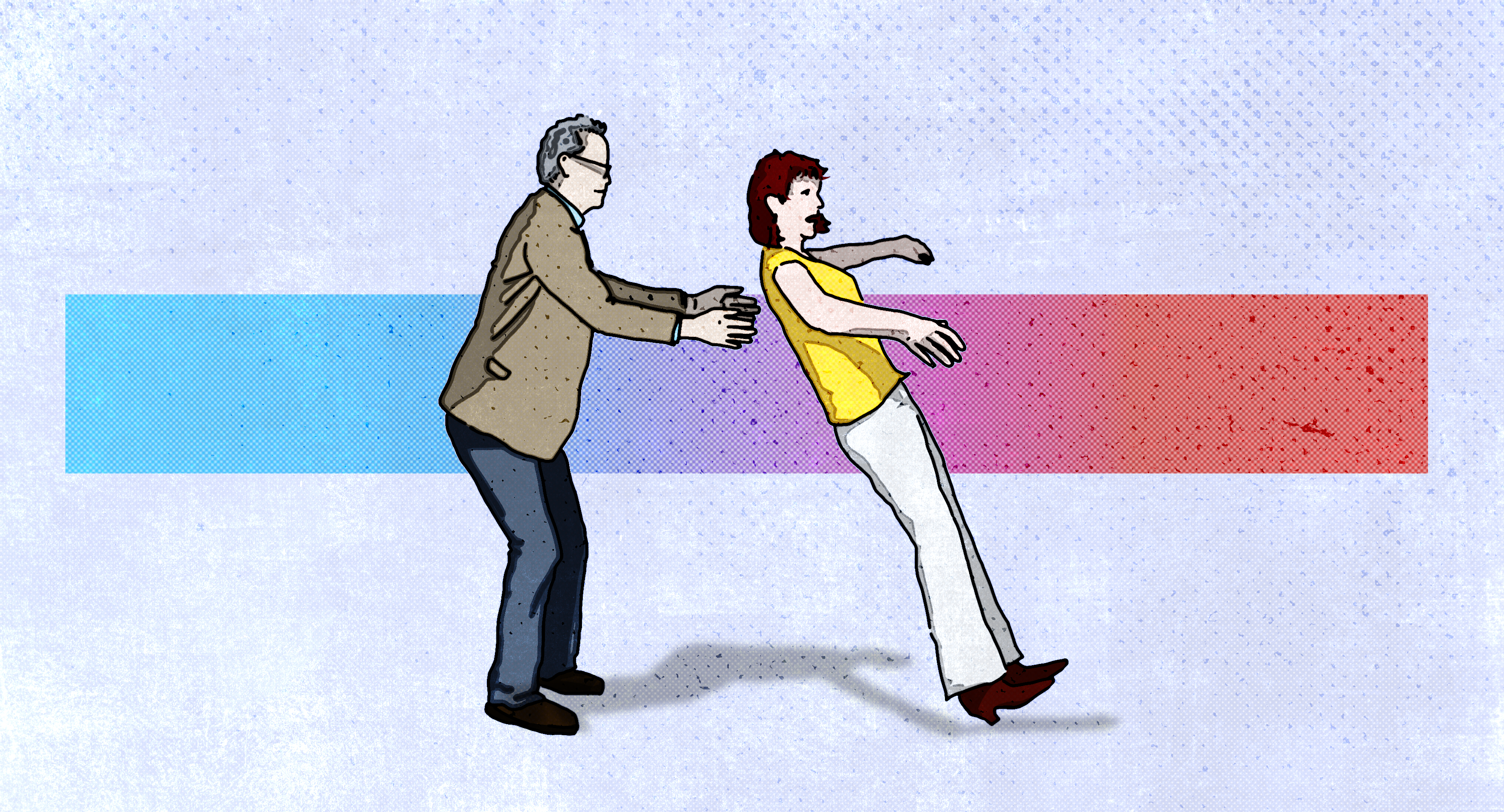
The relationship between a therapist and their client is a strong predictor of treatment success. Clinical psychologist Chris Muran reveals how to build trust and repair ruptures in therapy.
What is meant by the term 'therapeutic alliance'?
What are some signs of a strong therapeutic alliance?
How do problems in the therapeutic alliance show up?
What are some common causes of therapeutic ruptures?
Is it possible to have good client outcomes despite having a weak therapeutic alliance?
Why do people ghost their therapists?
How good really are therapists at handling negative feedback?
Are therapists who have had their own personal therapy better at the therapeutic alliance?
Why aren't therapists trained to deal with how money issues can harm the therapeutic relationship and to reconcile the intimacy of the therapeutic encounter and the fact that therapy is a business?
Sometimes when I identify a therapeutic rupture that has occurred, the client further disengages. Do you have a process by which you can explicitly label and confront a rupture while building a supportive alliance with the client?
Manualised treatment options (where there is minimal emphasis on therapeutic alliance) are still available and deemed to be effective evidence-based treatments; how is this the case given that research suggests the therapeutic alliance is the most robust predictor of treatment success?
What are some effective ways of repairing a rupture?
What might have gone wrong when a rupture is unable to be repaired?
Why is repairing a rupture sometimes considered even more helpful than not having a rupture in the first place?
Do you think that therapists should be routinely using rating scales of the therapeutic alliance or should they just ask about it?
Can ethical codes, especially stringent adherence to them sometimes interfere with the therapeutic alliance?
Is the therapeutic alliance sufficient in itself to help clients get better?
What is your opinion on the idea that trust is built on successful rupture and repair in relationships and in fact, that true trust isn't established until this has occurred?
You may also like

Understanding Rational Emotive Behavior Therapy
What is Rational Emotive Behavior Therapy (REBT) and how can it help people change their irrational beliefs? Directors of the Albert Ellis Institute, Raymond DiGiuseppe and Kristene Doyle, share their insights.

Understanding Problem-Solving Therapy
Hear from the co-developer of Problem-Solving Therapy, Arthur Nezu, about how this cognitive-behavioral intervention can help people manage the negative impacts of stressful life events.

Emotionally Focused Therapy and Attachment-Based Healing
Sue Johnson on how Emotionally Focused Therapy (EFT) uses emotional connection and attachment security to support healing in individuals, couples, and families.

