Unfortunately, many of our adult clients report histories of prolonged or repeated exposure to interpersonal abuse and neglect. Their traumas occurred at particularly vulnerable developmental stages, often beginning in infancy or early childhood, compromising both their physical and psychological maturation. Typically, it involved both direct harm or attack as well as deprivation or abandonment by those who were supposed to be protective, validating, and consistently loving.
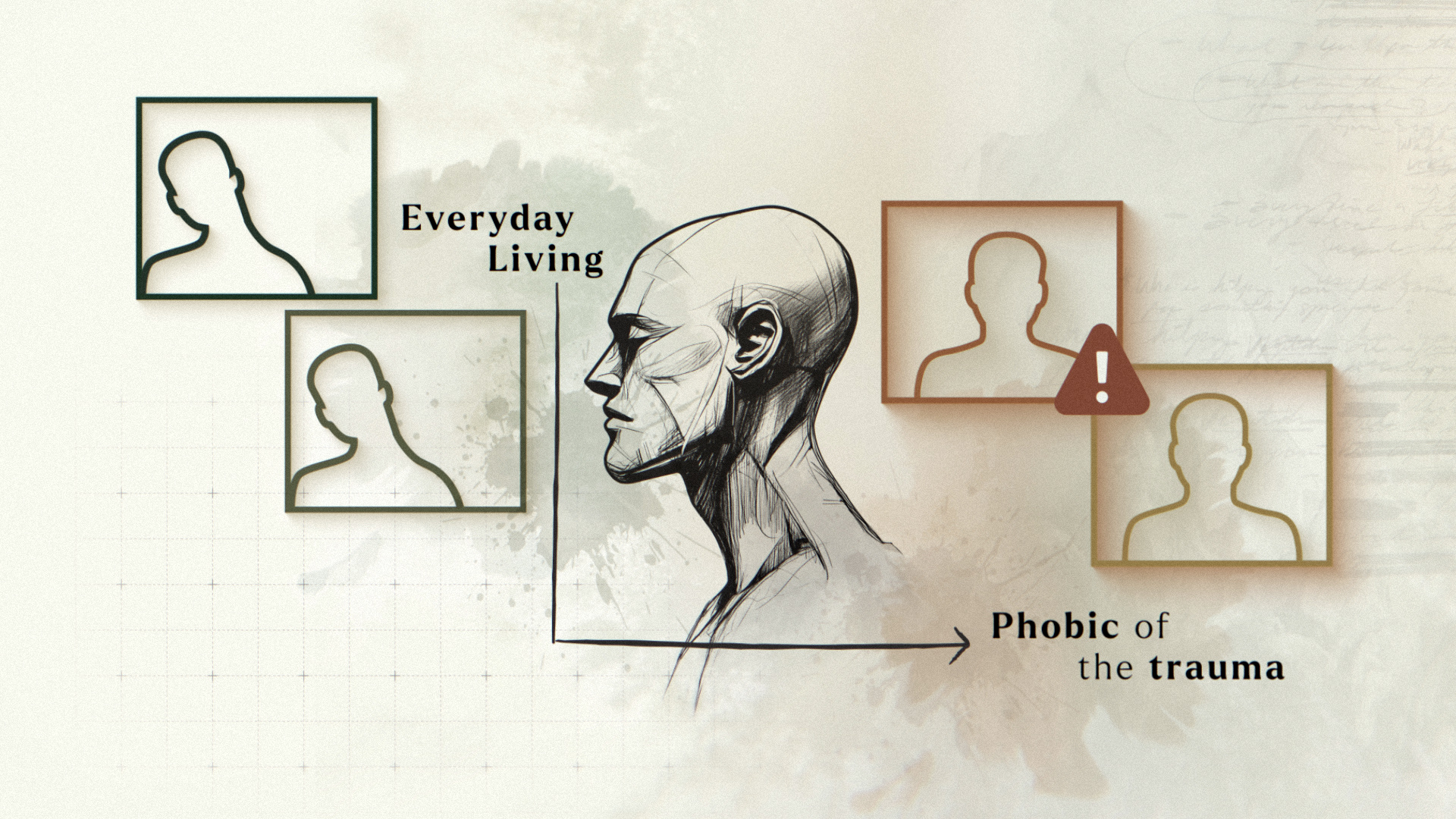
Survivors often present for treatment with affect and relational phobias, rigid defenses and avoidance patterns, high levels of dissociation, and an inability to access important internal resources. Meeting these clients with hope and confidence requires an advanced understanding of how and when to adapt and supplement standard EMDR protocols. “Staying out of the way” is usually not an option when clients need significant relational support, assistance with emotional and somatic regulation, and active interweaves to facilitate effective processing.
In this advanced course, EMDR expert Deborah Korn, from Francine Shapiro’s EMDR Institute, will help you apply multiple “conceptual maps” in assessing clinical needs and making moment-to-moment decisions with complex trauma clients. Although this course addresses relevant issues related to all 8 phases of EMDR therapy, it primarily focuses on the importance of comprehensive case conceptualization and treatment planning AND the therapist’s role in facilitating and deepening reprocessing.
Significant time will be devoted to identifying common blocking beliefs and demonstrating different types of interweaves, each with its own function and goal. Finally, there will be an emphasis on moving beyond symptom reduction to developmental repair, post-traumatic growth, and increased resilience.
Interested in joining this course?
Register your interest today and receive an exclusive discount when enrollments open.