Applied DBT Skills for Anxiety and Mood Disorders
Learn practical DBT skills you can use in session to support clients with anxiety and mood disorders in this on-demand course.

Anxiety and mood disorders are by far the most common presentations in both private and public mental health services. Most therapists are taught the theory of what causes, maintains and helps to address these conditions. The greater challenge is knowing what to actually do, moment to moment, in session with a client who is stuck, ambivalent, or struggling with symptoms.
DBT skills address this by targeting underlying skills deficits, or gaps in the practical skills clients need to regulate emotions, tolerate distress, and re engage with life. This focus on building concrete skills is what makes DBT skills particularly effective for anxiety and mood disorders.
In this course, with DBT experts Dr Alec Miller and Dr Jill Rathus, you’ll learn how to:
Address the avoidance that often maintains both anxiety and depressive symptoms, so clients learn that emotions are tolerable, not harmful, and do not last forever.
Activate your clients’ behaviors, to help them build back reinforcers, which will make it easier for them to engage in social and everyday activities.
Teach skills to help combat the biological factors and physical symptoms that contribute to these presentations as well.
You’ll also gain practical strategies to reduce the impact of mood and anxiety-related symptoms and consequent emotional suffering.
Regardless of your primary therapeutic approach, this course will help you super-charge your sessions with practical and powerful tools that can dramatically improve your clients’ lives.
Register your interest to receive an exclusive discount when this course launches
Dr. Jill Rathus and Dr. Alec Miller have each devoted their careers to making DBT accessible and usable for thousands of mental health professionals all over the world. They co-developed DBT for adolescents and families alongside Marsha Linehan, and are co-authors of the leading treatment manuals for DBT in clinical and school settings.
Dr. Rathus is co-founder and co-director of Cognitive Behavioral Associates in New York, a former Professor of Psychology at Long Island University, a Visiting Professor at Shanghai Mental Health Center/Shanghai Jiao Tong School of Medicine, China, and a DBT-LBC Board of Certification-Certified clinician. Her depth of clinical experience combined with her skill as a teacher brings a clarity and warmth to her trainings that students consistently remark on.
Dr. Miller is committed to helping clinicians build embodied confidence that can support their growing theoretical knowledge. He is co-founder and co-director of Cognitive and Behavioral Consultants in New York, a Clinical Professor of Psychiatry and Behavioral Sciences at Montefiore Medical Center/Albert Einstein College of Medicine, a DBT-LBC Board of Certification-certified clinician, and director of a DBT-LBC-certified program in New York. His dynamic, down-to-earth style keeps students engaged throughout his teaching.
Find out more about your course trainers here.

This course shows you how to use DBT skills in session to address the patterns that maintain anxiety and mood disorders, including:
Understanding the nature of anxiety and mood disorders and how they lead to persistent suffering when untreated
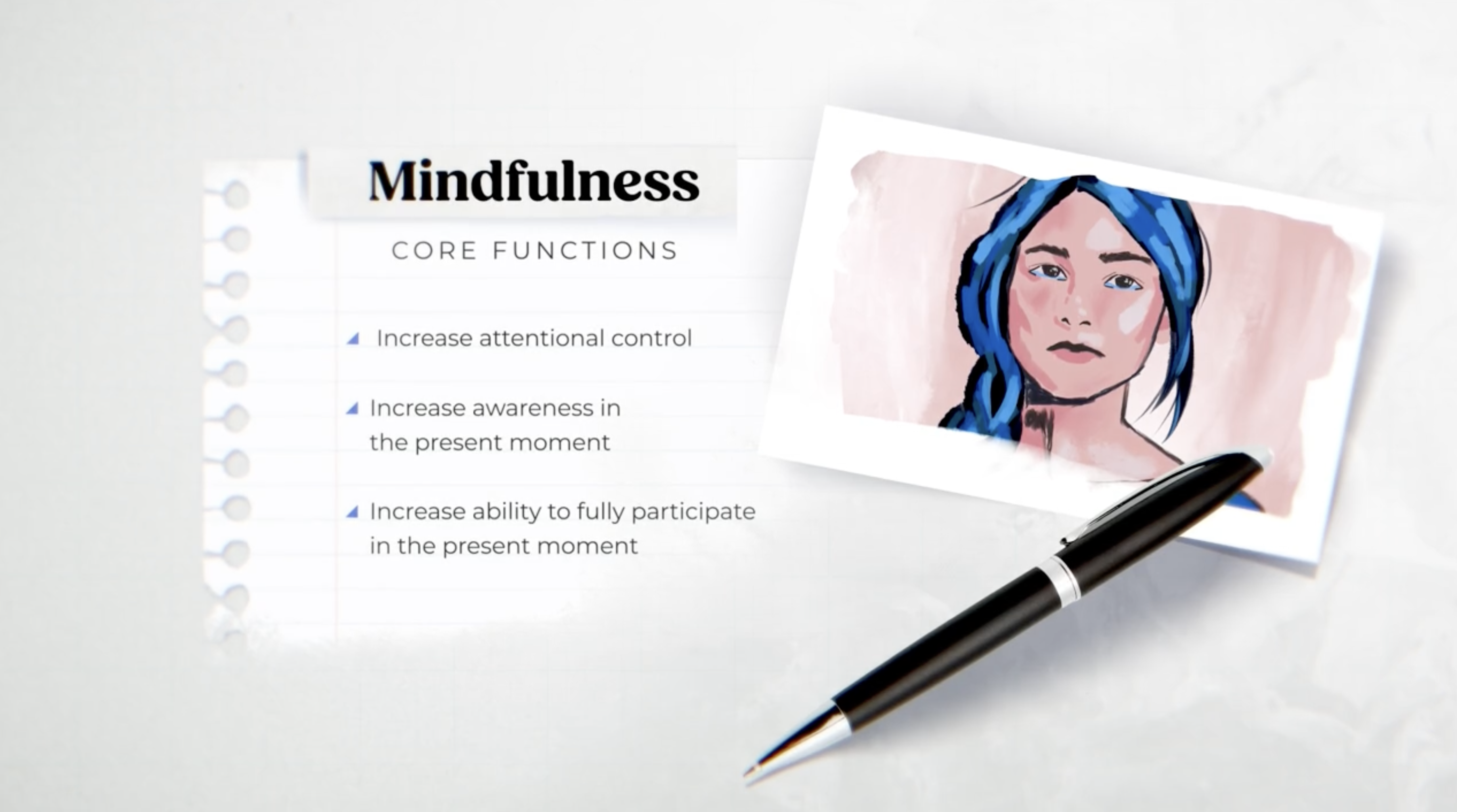
Applying DBT skills from the five modules of mindfulness, distress tolerance, Emotion regulation, interpersonal effectiveness, and walking the middle path to these clinical presentations
Building motivation for clients to learn new behaviors to address symptoms of anxiety, depression, and bipolar symptoms
Teaching clients to reduce emotional vulnerability and reactivity and increase positive emotions
Using DBT skills to reduce problematic emotional and behavioral avoidance and increase behavioral activation
Increasing cognitive flexibility by increasing dialectical thinking and reducing maladaptive cognitions that maintain depressed and anxious mood
Learning specific strategies to address the range of impairing physiological symptoms that accompany anxiety and mood disorders
Teaching effective interpersonal skills to build and enhance relationships and reduce social isolation
Learning from varied client presentations that demonstrate how DBT skills may be tailored to your clients

This self-paced course includes:
Eleven modules and 14 hours of teachings focussed on applying DBT skills in the treatment of anxiety and mood disorders
Expert instruction with Dr. Jill Rathus and Dr. Alec Miller
Detailed demonstrations and case conceptualizations with a variety of client presentations and comorbid conditions
Twelve months access to review the content at any time

This course is designed for therapists who:
Work with clients with anxiety, depression, and bipolar disorder
Want practical DBT strategies to reduce maladaptive emotional and behavioral avoidance and activate new behaviors
Help clients get unstuck from persistent conditions
Need practical strategies to enhance your clients capacities regarding emotion regulation, interpersonal effectiveness, distress tolerance, flexible thinking, and mental focus and awareness.
Value skills-based training grounded in real clinical application
You don’t need to be DBT-certified to benefit from this training. We do recommend you have a beginners level understanding of DBT Skills to take this course, but it’s not essential - see our DBT Skills course for more information.