DBT Skills for Adolescents and Families
Learn How to Apply DBT Skills With Adolescents and Their Families - From the Treatment Developers

Adolescents face unique emotional and relational challenges - and so do the therapists and families supporting them. In this course, you’ll learn how to effectively teach Dialectical Behavior Therapy (DBT) skills to adolescents and their families - directly from the developers who adapted DBT skills training for this population.
Drs Marsha Linehan, Alec Miller, and Jill Rathus offer an engaging, hands-on approach to using DBT skills with teens and their families in real-world settings. You’ll learn how to orient teens and parents to skills training, build buy-in, and teach the five DBT skills modules adapted for adolescents—Mindfulness, Emotion Regulation, Distress Tolerance, Interpersonal Effectiveness, and Walking the Middle Path, a module developed specifically to address parent-teen conflict and family dynamics.
This training gives you clear strategies for working across multiple formats, including multi-family groups, individual sessions, parent-focused work, and family skills sessions. Through clinical demonstrations and practical guidance, you’ll see how to teach DBT skills in ways that resonate with teens and support lasting change in family relationships.
A Course Designed for Everyday Clinical Use
This course gives you a clear framework for applying DBT skills with teens and families. You’ll learn how to:
Introduce skills in ways that are relatable, engaging, and developmentally appropriate
Work effectively with parent-teen emotional dynamics and communication
Manage group behavior—including therapy-interfering behaviors—and keep sessions emotionally safe and focused
Use DBT skills with teens experiencing anxiety, mood issues, behavioral challenges, and suicidal thoughts
Adapt your teaching approach for different levels of need, readiness, and family structure
Conduct a graduation ceremony to mark the completion of skills training

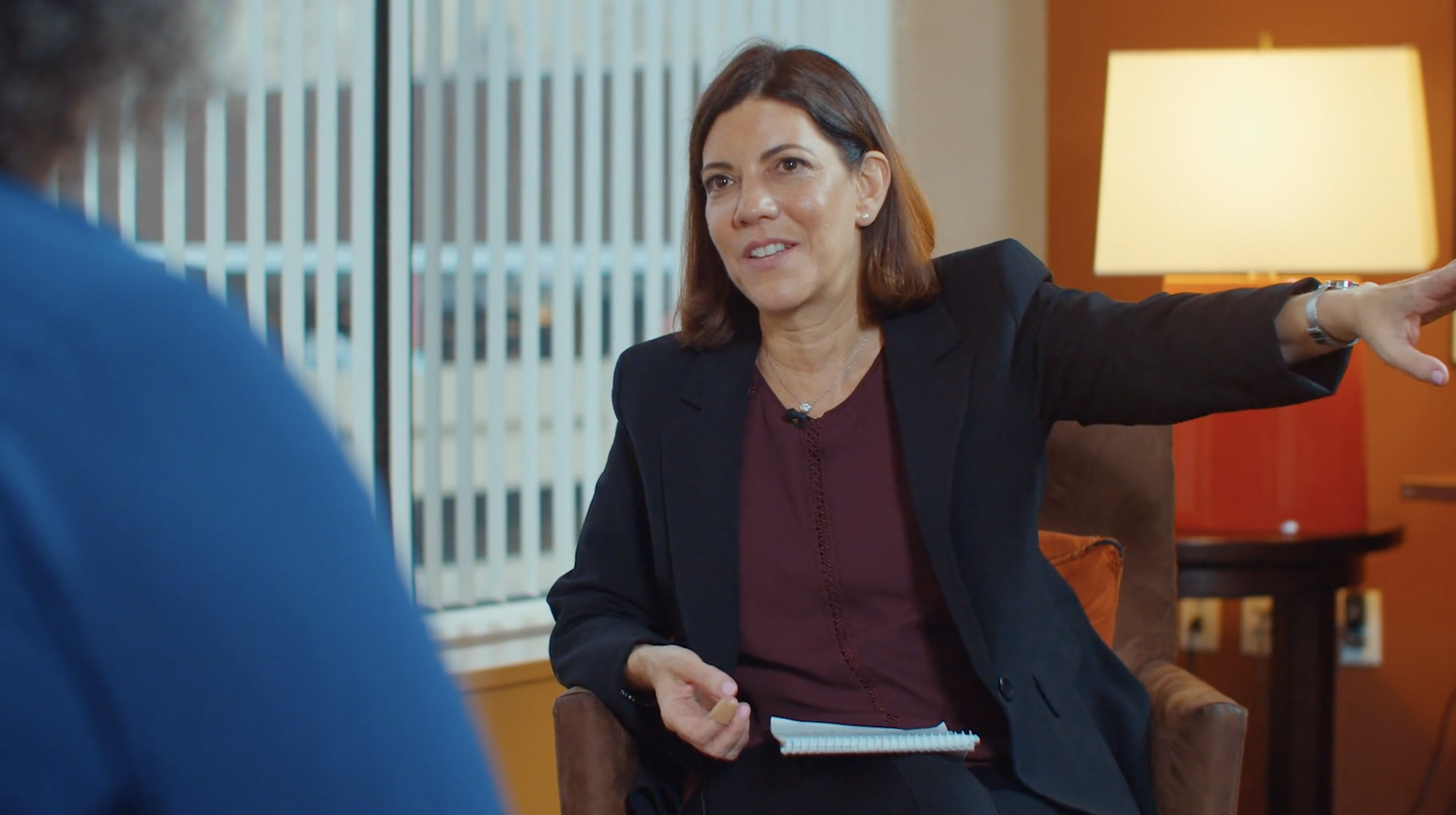
This course is led by the clinical developers of DBT for adolescents:
Marsha Linehan, creator of Dialectical Behavior Therapy
Alec Miller, co-developer of DBT for adolescents and the DBT Skills in Schools program
Jill Rathus, co-developer of DBT for adolescents and DBT Skills in Schools
With deep expertise in DBT, adolescent treatment, and family dynamics, they bring you a training grounded in research, real-world clinical insight, and compassionate care. Through demonstrations, didactic teaching, and practical examples, you’ll learn how to deliver DBT skills effectively in youth and family contexts.

Adolescents and their families often experience intense emotional ups and downs, conflict, and communication breakdowns. DBT skills offer concrete tools for emotional regulation, relationship repair, and navigating family dynamics.
Whether you’re working in a school, clinic, hospital, or private practice, this course helps you:
Teach DBT skills to teens and families with engagement and confidence
Use the five core adolescent modules, including Walking the Middle Path
Support parents and caregivers to build emotional insight and respond more effectively
Deliver DBT skills in group, individual, or family formats
Support teens in building emotion regulation, self-awareness, and resilience

Beautifully produced video lessons that guide you through DBT concepts and skills step-by-step
Therapy demonstrations showing how to teach skills in individual, group, and family settings
Downloadable tools and handouts to support practical application in your sessions
An interactive forum where you can ask questions, share experiences, and get direct feedback from the treatment developers, Drs. Alec Miller and Jill Rathus
You don’t need to be DBT-certified to benefit from this training. The course is designed to be accessible, flexible, and immediately useful for work with adolescents, regardless of your background or therapeutic orientation.
Enrollments
We're happy to help if you can't attend the current intake. Please contact our customer service once your purchase is finalized, and we can enroll you in the intake of your choice. If you would like to request an invoice, please fill out the form here.


The Fundamentals of DBT

Adapting DBT Skills for Adolescents & Families

Building Commitment to Skills and Treatment Goals

Selecting Participants for Skill Class

Therapy Demonstration: Running an Orientation Group

Teaching the Biosocial Theory

Practice Makes Perfect

Weekly Summary and Quiz Questions

An Introduction to Mindfulness

Mindfulness in Sessions

Finding Your Wise Mind

The What Skills

The How Skills

Weekly Wrap up and Quiz Questions

An Introduction to Distress Tolerance Skills

Crisis Survival Skills: Distract with ACCEPTS

Crisis Survival Skills: Self Soothe

Crisis Survival Skills: Crisis Survival Kits

An Introduction to Reality Acceptance Skills

Reality Acceptance: Radical Acceptance

Reality Acceptance: Willingness vs Wilfulness

Reality Acceptance: Ways to Accept

Weekly Wrap Up

An Introduction to The Walking the Middle Path Skills

The Skill of Dialectics

The Skill of Validation

The Behavior Change Skills

Prioritizing Behavior Change Strategies

Weekly wrap up and quiz questions

An introduction to Emotion Regulation

Understanding Emotions

Reducing Emotional Vulnerability Part 1

Reducing Emotional Vulnerability Part 2

Changing Unwanted Emotions

Mindfulness of Current Emotion

Weekly wrap up and quiz questions

Introduction to Interpersonal Effectiveness Skills

What Gets in the Way

The Give Skills

The DEAR MAN Skills

DEAR MAN in a Family Session

FAST Skill

The Think Skills

Coaching a Teen Who Leaves a Skills Session When Dyregulated

Graduation

Course Wrap Up and Final Quiz Questions
Michael JohnsonPsychologist - Brisbane, AustraliaLorem ipsum dolor sit amet consectetur adipiscing elit sed do eiusmod tempor incididunt ut labore et dolore magna aliqua ut
James WilsonPsychologist - Rio de Janeiro, BrazilLorem ipsum dolor sit amet consectetur adipiscing elit sed do eiusmod tempor incididunt ut labore et dolore magna aliqua ut
Patricia MillerPsychologist - Brisbane, AustraliaLorem ipsum dolor sit amet consectetur adipiscing elit sed do eiusmod tempor incididunt ut labore et dolore magna aliqua ut
William TaylorPsychologist - Toronto, CanadaLorem ipsum dolor sit amet consectetur adipiscing elit sed do eiusmod tempor incididunt ut labore et dolore magna aliqua ut
Patricia MoorePsychologist - Sydney, AustraliaLorem ipsum dolor sit amet consectetur adipiscing elit sed do eiusmod tempor incididunt ut labore et dolore magna aliqua ut
Elizabeth MillerPsychologist - New York, USALorem ipsum dolor sit amet consectetur adipiscing elit sed do eiusmod tempor incididunt ut labore et dolore magna aliqua ut
This DBT Skills for Adolescents and Families training is designed for mental health professionals worldwide. Upon completion, you'll receive an official certificate that may be submitted to relevant registration or licensing bodies for continuing professional development, where applicable.


12 CE/CME credits are designated for a range of licensed mental health professions, including:
psychologists, social workers, counsellors,
physicians, nurses,
marriage and family therapists,
addiction professionals.
Acceptance for other professions may vary by board and jurisdiction. View the complete CE/CME accreditation details and board approvals here.

These courses run on intakes and have scheduled start dates throughout the year.
The first week of course material is released at midnight PST on course start date. You'll receive a welcome email with information on how to log in and get started.
Each subsequent week, new content is released, which includes:
Beautifully produced video lessons that are a pleasure to watch
Therapy demonstrations that show the approach in action, so you learn by example as well as theory
Step-by-step clinical guidance that builds confidence without overwhelming you
Downloadable tools you can use immediately in session from the course library.
You'll also have expert support through an exclusive forum. You'll be able to ask questions and share experiences with world-leading experts and founders, including William Miller, Russ Harris and Leanne Campbell.
You can log into your Psychwire account from anywhere, at any time, allowing you to learn at your own pace. There's no need to be online at a specific time.
You'll have access to this content for 12 months. You can use this time to catch up on the course or dig deeper into some of the topics covered. The course card in My Dashboard will let you know how much course access you still have available.
All our courses are self-paced. If you miss a week, or fall behind, don't worry. You can catch up at a time that suits you!
Nearly all courses have 12 months access, and this bonus time can be used to catch up on any missed work. You can find out when your course access finishes by looking in "My Dashboard."
If you are experiencing extenuating circumstances, you may be eligible for a deferral. Please contact us via the chat icon on the bottom right-hand corner of the website or via email at support@psychwire.com.
If you complete the full course, you’ll receive a Certificate of Completion.
If you complete at least 75%, you’ll receive a Letter of Participation.
To earn a CE/CME Certificate, you’ll need to:
Score at least 80% overall on the course quizzes.
- All quiz questions (except any pre-test questions) count toward your score.
- You have up to three attempts to answer each multiple choice question correctly.
Complete the full course.
Pay the $20 USD CE/CME processing fee before you finish the course.
Submit the post-course evaluation form.
All certificates will be available for download in 'My Dashboard' - please allow at least seven days for processing.